Cultural Policy in London
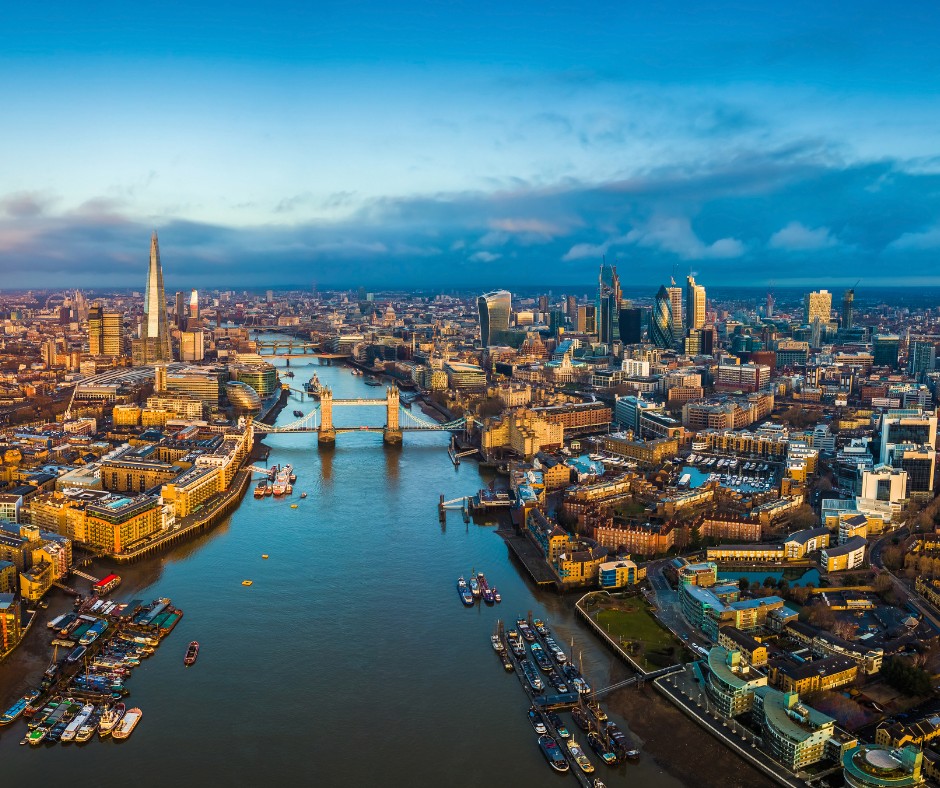
London is the capital of the United Kingdom and Europe’s most visited city, with tourists drawn to its historic architecture and cultural offering
Cultural policy
Cultural policy and citywide strategy in London is set by the Mayor of London, with smaller projects delivered at a local level by each of London’s 33 local authorities.
The Mayor’s 2018 Culture Strategy, titled Culture for All Londoners, placed cultural inclusion at the core of its vision. This strategy encompasses four key priorities: enabling more citizens to experience and engage in culture within their local communities, providing support for the preservation and sustainability of cultural spaces, investing in a diverse creative workforce for the future, and positioning London as a global creative powerhouse.
Furthermore, the Mayor’s London Plan – the capital’s spatial and urban development strategy – includes a dedicated chapter with new policies aimed at safeguarding and nurturing culture and heritage throughout London. For the first time, London’s planning systems now offer protection to artist studios and grassroots music venues, as well as pubs and clubs. The plan places a primary focus on achieving ‘good growth,’ with the aim of creating a more socially integrated and sustainable city. This represents a significant and transformative step forward in London’s development.
Cultural programmes
Londoners are grappling with escalating property prices, housing shortages, rent hikes, and a steep cost of living. This, in turn, exerts pressure on cultural spaces, all of which are susceptible to the surge in rates and rents. Both the Mayor’s London Plan and the Culture Strategy have integrated the principle of “good growth” into all their initiatives, including the establishment of Creative Enterprise Zones – designated areas designed to provide support for artists and creative businesses, enabling them to establish themselves and thrive.
Building on the Culture for All Londoners strategy, the capital is promoting access and inclusivity. Borough partnerships like London Borough of Culture and Creative Enterprise Zones nurture grassroots creativity. Meanwhile, the London Plan now offers safeguards for artist studios, grassroots music venues, and nightlife venues – marrying cultural preservation with equitable growth.
Cultural heritage and infrastructure
London is the capital of the United Kingdom, one of the globe’s top cultural hubs. It is a city beloved for its diversity – with over nine million residents, 37% born abroad, and more than 300 languages spoken. Its cultural appeal is backed by world-class museums, theatres, festivals, design prowess, fashion, gaming, film, and innovation, drawing millions of visitors annually.
Visitor numbers are now exceeding pre-pandemic records, driven by major new attractions like East Bank in Stratford (home to V&A East, Sadler’s Wells, and UCL projects), the London Museum’s 2026 move to Smithfield, and Eastbrook Studios, the city’s largest new film studio in 25 years. Complementing heritage institutions like the V&A, Tate Modern and National Theatre, these developments are expanding London’s cultural footprint.
Community engagement, social impact and policy innovation
Despite its economic success and cultural prestige, London grapples with stark inequalities. Approximately 26% of Londoners live in poverty, marking the highest rates in the UK. Research reveals that London also contends with some of the most pronounced disparities in cultural participation, both demographically and geographically. In some of the town centres in outer London, there exist sizeable populations but with notably inadequate access to arts and cultural amenities.
As London’s evening culture re-emerges, the Mayor has convened a Night Time Taskforce and is launching a licensing devolution pilot, aimed at revitalising local nightlife while ensuring safety and inclusion. These initiatives are paired with Creative and Night-Time Enterprise Zones, supporting cultural regeneration and inclusive economic growth across the city.
© Images Courtesy of Getty/Canva; Greater London Authority