Cultural Policy in Paris
The capital of France and the most populous city in Europe, celebrated worldwide for its fashion and architectural wonders
Cultural policy
Paris is divided into multiple municipalities, including both the Council of Paris and the wider metropolitan Île-de-France Region, both of which have a role in supporting culture in the city.
In 2025, the Île-de-France Region adopted a revision to its master plan (otherwise called the Le SDRIF-E 2040), which sets out development guidelines until 2040. The new plan aims to address the social and economic challenges facing the entire Paris region, while also addressing critical environmental transition issues, such as improving air quality and achieving zero net carbon emissions. Culture will be integrated into various aspects of the plan. A top priority for both the City and the Region is to support artistic creation in all its forms and locations, welcoming artists from around the world.
Cultural programmes
Ensuring equitable access to culture in all neighbourhoods and making culture accessible to young people are central to Paris’ cultural priorities. The City and the Region collaborate with educational and cultural institutions to provide every child with direct access to art, artistic practices, and artists.
The principles of environmental responsibility, local procurement, and sustainable development are embodied in the concept of the “fifteen-minute city,” which has gained renewed attention and international recognition following the pandemic. Many initially temporary interventions and responses are now becoming permanent, with culture playing a significant role in this transformation. Throughout the city, a network of versatile cultural venues is emerging. These venues, often located in existing buildings and industrial sites, are dedicated to artistic practices, rehearsals, and performances. They bring together amateurs and professionals, offering both indoor and outdoor spaces that can vary widely based on their location and partnerships.

Cultural heritage and infrastructure
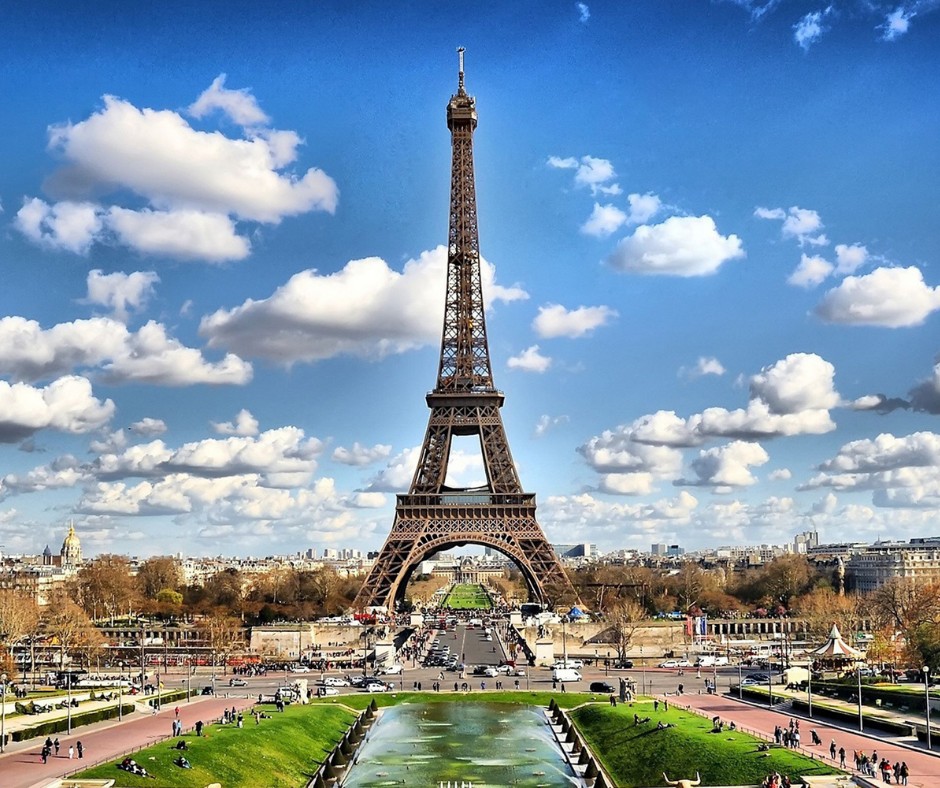
For centuries, artists have held Paris in high regard; it has been a place of freedom and inspiration for them. As one of the most-visited cities in the world, Paris continues to attract millions of international visitors who come to explore its art galleries, museums, architectural treasures, savour its cuisine, immerse themselves in its fashion, experience its vibrant nightlife, enjoy its cinemas, and much more. The cultural offerings are vast, encompassing all fields of artistic creation, both in the private and public sectors.
Community engagement, social impact and policy innovation
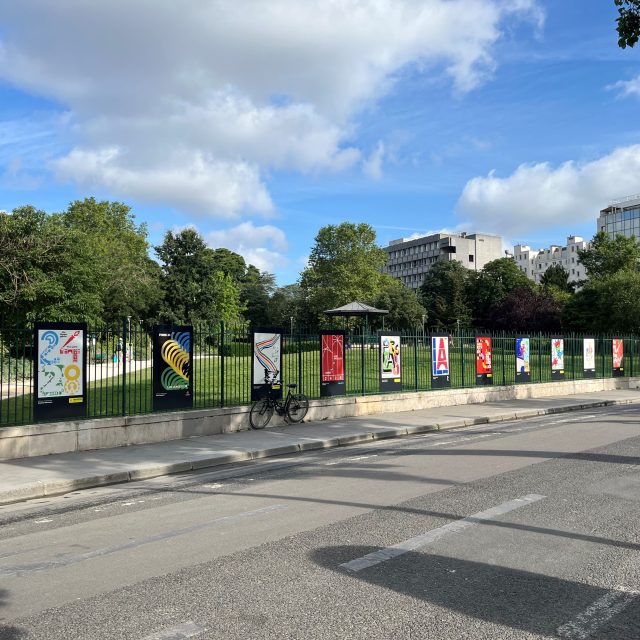
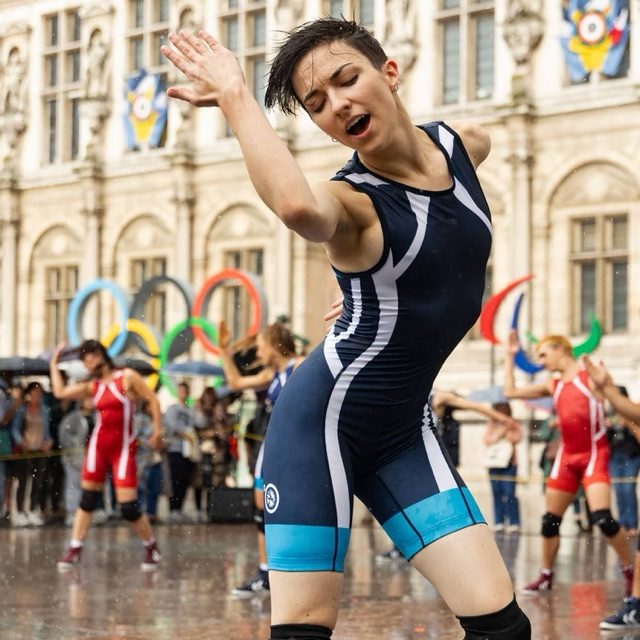
The City-Region is experiencing rapid growth, driven by its economic and creative dynamism. The city centre underwent extensive renovation for the 2024 Olympic and Paralympic Games. The Games were a powerful driver of transformation for the city engages through culture, thanks to the Cultural Olympiad – a cultural initiative that reaches out to the public by bringing cultural programming into public spaces. It has helped to break down traditional barriers around culture in Paris, offering an original way of encouraging new artistic forms and broadening cultural practices by fostering new connections with the world of sports. The city, working with cultural institutions across the city, is focusing on how to embrace the legacy of the Games and continue to offer year-round, multi-disciplinary artistic activities that reflect Paris’ social diversity, as well as sustainable development, inclusion and gender equality.
© Images Courtesy of Getty Images/Canva; City of Paris